75 Habit Tracker Ideas Organized by Goal

Planning feels much easier when the important details already have a clear place to live.

Good habit tracker ideas are behaviours that are meaningful, observable and useful to review. Choose no more than a few from the area you are actively improving, and do not track routine actions when the record will not influence a decision.

Overhead editorial concept introducing habit tracker ideas

The short version

In this guide

The details that make the plan work

Planning feels much easier when the important details already have a clear place to live. Good habit tracker ideas are behaviours that are meaningful, observable and useful to review. Choose no more than a few from the area you are actively improving, and do not track routine actions when the record will not influence a decision.

  • Meaning: connect the habit to a result you genuinely value.
  • Control: prefer actions over outcomes affected by many variables.
  • Clarity: define exactly what earns a mark.
  • Frequency: daily, weekday and weekly habits need different grids.
  • Review value: know what you will change after seeing the pattern.
Person working through a practical habit tracker ideas process

Build it step by step

Work through these in order the first time. Once the system is familiar, your regular review can be wonderfully short.

1. Choose one life area rather than browsing all 75 ideas

Begin here before you add anything optional. A clear starting point saves a surprising amount of rework later.

2. Select an action that can be observed without interpretation

Keep this information together in one place. When the facts are easy to find, the next decision becomes much simpler.

3. Define the minimum and target frequency

Now shape the plan around what is actually available—your real time, tools, budget and capacity.

4. Decide whether quantity, completion or quality matters

This is where the plan becomes flexible. Leave enough breathing room for the ordinary changes real life brings.

5. Track for two weeks without adding more habits

Do a practical check before moving on. Make sure the people, dates, quantities and access details still line up.

6. Review usefulness and retire any metric that creates no decision

Finish with a simple review rule: keep what helps, remove what does not, and update only the part that changed.

Hands arranging the key steps for habit tracker ideas

A real-life example

For a sleep goal, tracking “good sleep” is subjective and late. Tracking screens off by 10:30 and a consistent lights-out window is controllable. For connection, “be social” is vague; sending one thoughtful message three times a week is visible and easier to restart.

Notice the pattern: the plan holds the useful details, but it still leaves room for a human day. That is the sweet spot.

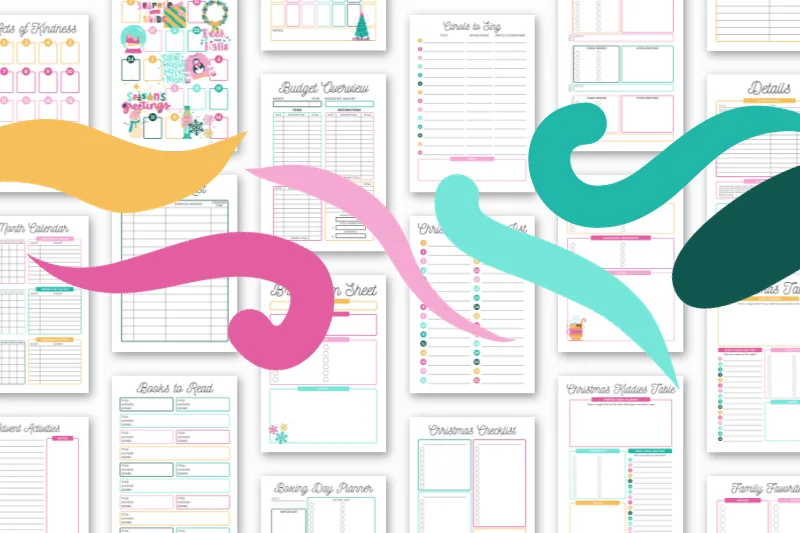
Real TWC template preview 1 relevant to habit tracker ideas

Four easy traps to avoid

Turning the idea list into a 20-habit challenge

Pause and return to the first decision. Clarity now is far more useful than extra detail built on the wrong assumption. Try this instead: Select an action that can be observed without interpretation.

Tracking an outcome as if it were fully controllable

Bring this back to one trusted source of truth so you are not maintaining the same information in several places. Try this instead: Define the minimum and target frequency.

Choosing daily frequency by default

Test the smallest workable version first. You can add more once the page has earned a place in the routine. Try this instead: Decide whether quantity, completion or quality matters.

Continuing a tracker because the page looks incomplete

Add a reset point. A useful system should help you continue after a change, not make you feel as though you have failed it. Try this instead: Track for two weeks without adding more habits.

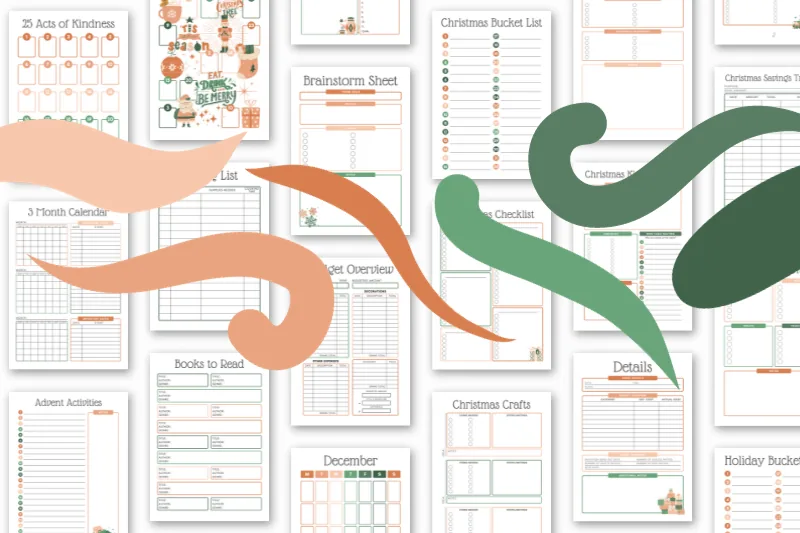
Real TWC template preview 2 relevant to habit tracker ideas

Your ready-to-use checklist

Use this as a cheerful final check—not another list you have to manage perfectly. If the important details are covered, you are ready to begin.

  • Pick one goal area.
  • Choose one to three behaviours.
  • Define a valid mark.
  • Set frequency.
  • Add a minimum version.
  • Choose a review date.
  • Remove unhelpful metrics.
  • Celebrate useful evidence, not perfection.
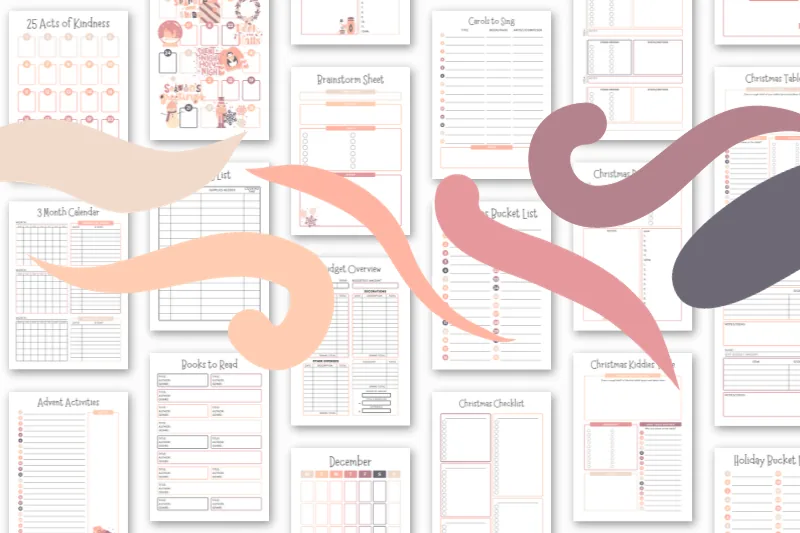
Real TWC template preview 3 relevant to habit tracker ideas

Keep the key details close

Key facts

Best starting point
Good habit tracker ideas are behaviours that are meaningful, observable and useful to review. Choose no more than a few from the area you are actively improving, and do not track routine actions when the record will not influence a decision.
Plan around
Meaning, Control, Clarity, Frequency and Review value
Recommended editable template
Goal Planner Templates for Canva | BRIGHT Source

Frequently asked questions

Frequently asked questions

What are 10 good habits?

Good habit tracker ideas are behaviours that are meaningful, observable and useful to review. Choose no more than a few from the area you are actively improving, and do not track routine actions when the record will not influence a decision.

What should I decide before I begin?

Start with meaning, control and clarity. Those choices shape the pages, level of detail and routine that will actually be useful.

Can an editable Canva template make this easier?

Yes. An editable Canva template can remove the layout work and give every important detail a clear home. Start with the pages you will genuinely use, customize the colours, fonts and wording, and leave optional pages out until they prove helpful.

What is the simplest way to put this into practice?

Begin with choose one life area rather than browsing all 75 ideas, select an action that can be observed without interpretation and define the minimum and target frequency. Use the smallest complete version for one real cycle, then keep what helps and simplify what does not.


Ready for a beautiful head start?

Move from a lovely idea to visible weekly action with editable goal-planning pages that keep the next step clear.

Sources and review note

The sources below were reviewed for this guide on 26 August 2026. Platform features, prices, policies and legal requirements can change, so confirm the current official terms whenever a decision has legal, financial, health or account consequences.

Sources

  1. How are habits formed: Modelling habit formation in the real world — European Journal of Social Psychology (accessed )
  2. Relevant TWCprintables template collection — TWCprintables (accessed )

Reviewed and updated by TWCprintables Editorial Team.