How to Set Up a Life Planner Without Overcomplicating It

A good plan should make the next step feel lighter—not give you another system to maintain.

A life planner should coordinate the few areas that compete for the same time and attention.

Overhead editorial concept introducing how to set up a life planner

The short version

In this guide

The details that make the plan work

A good plan should make the next step feel lighter—not give you another system to maintain. A life planner should coordinate the few areas that compete for the same time and attention.

  • Scope: a life planner coordinates; it does not need to archive everything.
  • Frequency: frequently used pages should be easiest to reach.
  • Ownership: each task and record needs one reliable home.
  • Maintenance: every module adds review work.
  • Privacy: separate sensitive pages from a planner carried publicly.
Person working through a practical how to set up a life planner process

Build it step by step

Work through these in order the first time. Once the system is familiar, your regular review can be wonderfully short.

1. List the life areas that currently create missed decisions

Begin here before you add anything optional. A clear starting point saves a surprising amount of rework later.

2. Build a minimal core of calendar, week and capture

Keep this information together in one place. When the facts are easy to find, the next decision becomes much simpler.

3. Define where projects and reference notes live

Now shape the plan around what is actually available—your real time, tools, budget and capacity.

4. Add one module for the highest-friction recurring area

This is where the plan becomes flexible. Leave enough breathing room for the ordinary changes real life brings.

5. Set daily, weekly and monthly review triggers

Do a practical check before moving on. Make sure the people, dates, quantities and access details still line up.

6. Remove pages that remain unused for two review cycles

Finish with a simple review rule: keep what helps, remove what does not, and update only the part that changed.

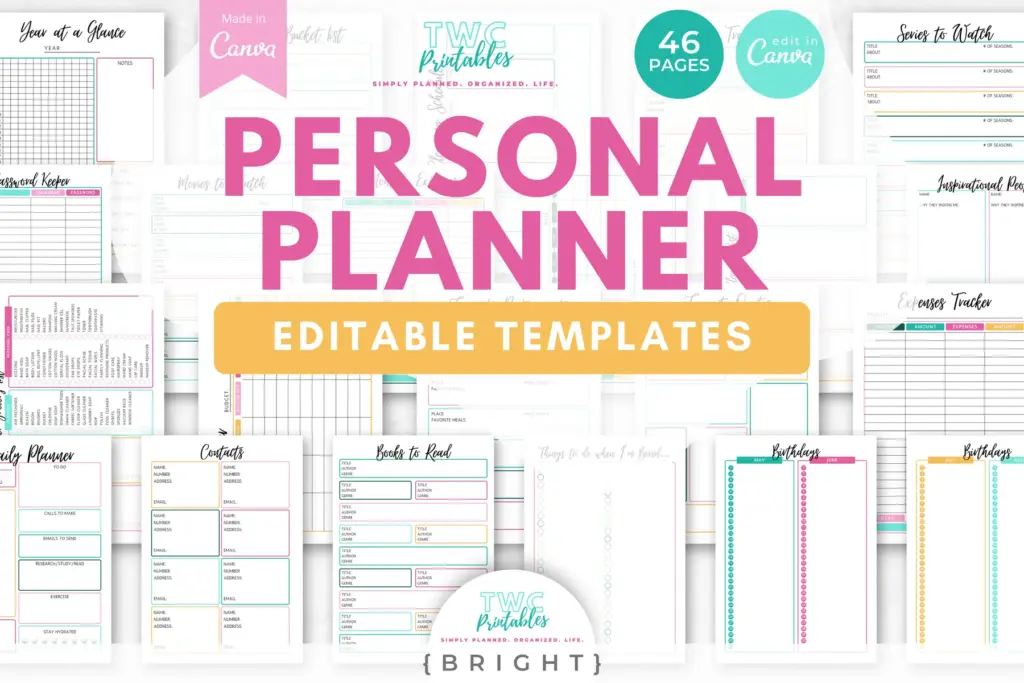
Real TWC template preview 1 relevant to how to set up a life planner

A real-life example

A minimal setup may contain monthly dates, weekly outcomes and an inbox. A standard setup adds projects and budget checkpoints. A complete setup may add meals, wellness, goals and household records, but only when each page replaces an existing loose note or repeated decision.

Notice the pattern: the plan holds the useful details, but it still leaves room for a human day. That is the sweet spot.

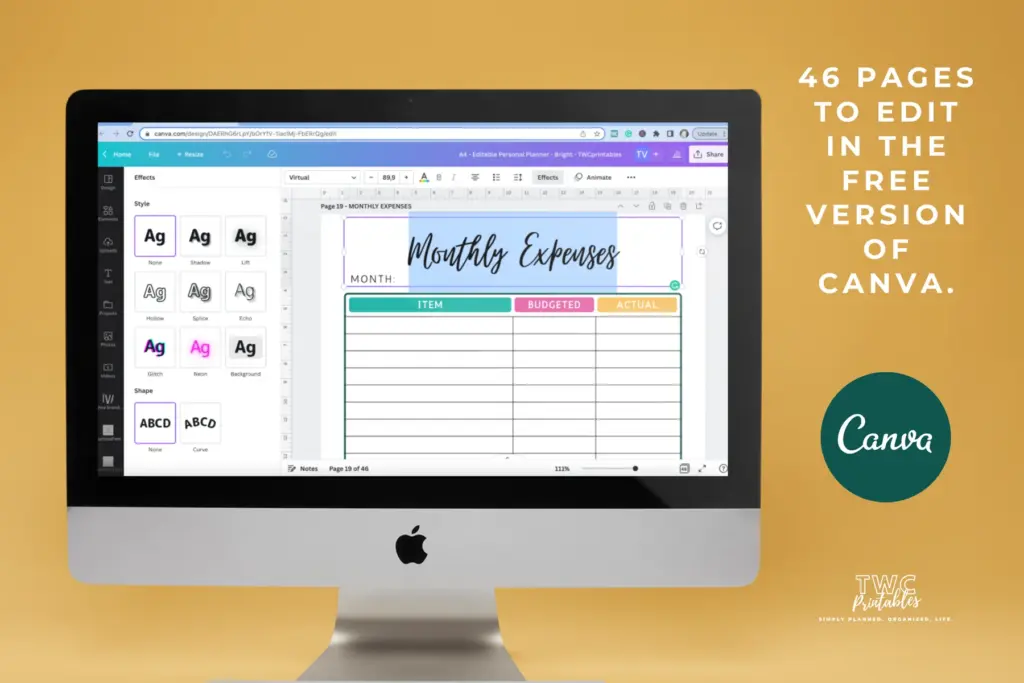
Real TWC template preview 2 relevant to how to set up a life planner

Four easy traps to avoid

Adding every printable on setup day

Pause and return to the first decision. Clarity now is far more useful than extra detail built on the wrong assumption. Try this instead: Build a minimal core of calendar, week and capture.

Using the planner as both active system and permanent archive

Bring this back to one trusted source of truth so you are not maintaining the same information in several places. Try this instead: Define where projects and reference notes live.

Duplicating calendars across apps and paper

Test the smallest workable version first. You can add more once the page has earned a place in the routine. Try this instead: Add one module for the highest-friction recurring area.

Keeping empty pages because removing them feels wasteful

Add a reset point. A useful system should help you continue after a change, not make you feel as though you have failed it. Try this instead: Set daily, weekly and monthly review triggers.

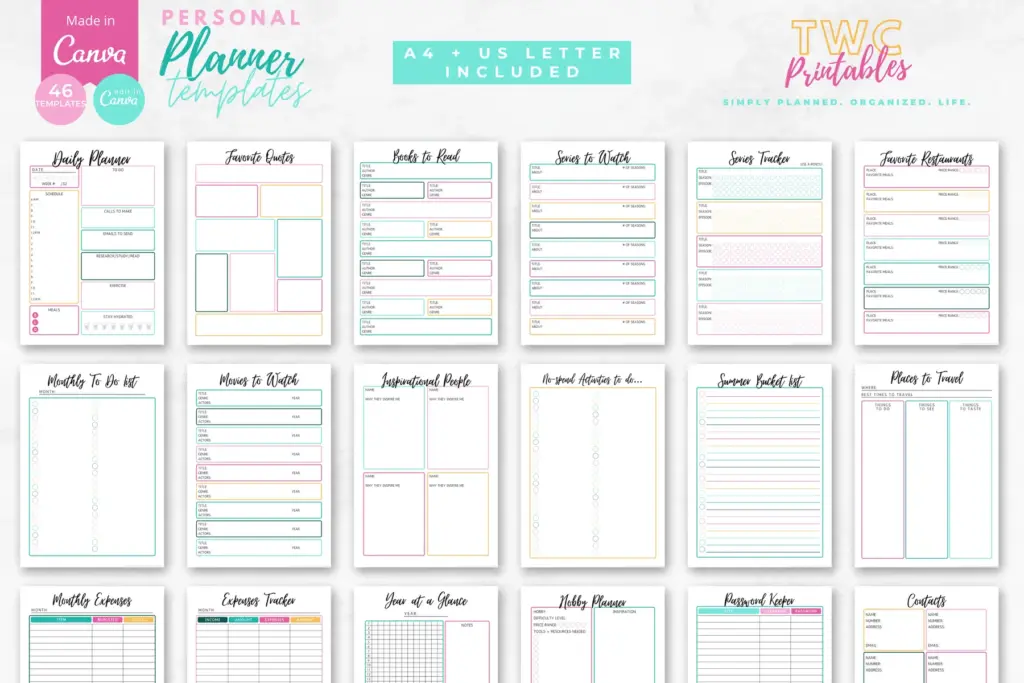
Real TWC template preview 3 relevant to how to set up a life planner

Your ready-to-use checklist

Use this as a cheerful final check—not another list you have to manage perfectly. If the important details are covered, you are ready to begin.

  • Name current pain points.
  • Build the three-page core.
  • Choose one capture inbox.
  • Assign a home to projects.
  • Add one useful module.
  • Set review times.
  • Protect private information.
  • Remove unused pages.
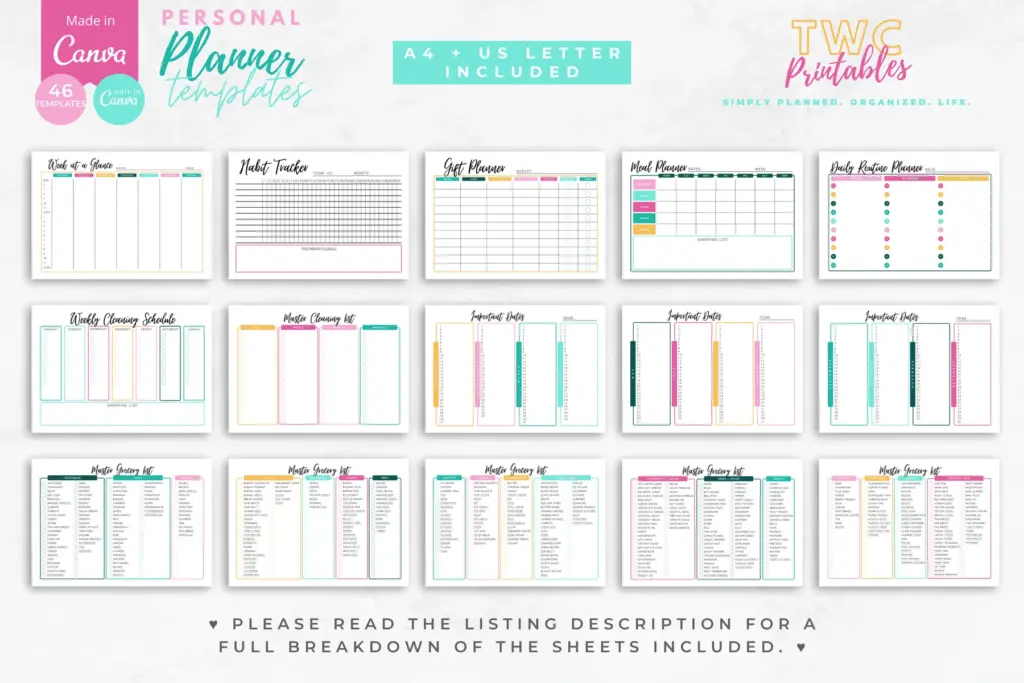
Real TWC template preview 4 relevant to how to set up a life planner

Keep the key details close

Key facts

Best starting point
A life planner should coordinate the few areas that compete for the same time and attention.
Plan around
Scope, Frequency, Ownership, Maintenance and Privacy
Recommended editable template
Personal Planner Templates for Canva | BRIGHT Source

Frequently asked questions

Frequently asked questions

What should be included in a life planner?

A life planner should coordinate the few areas that compete for the same time and attention.

What should I decide before I begin?

Start with scope, frequency and ownership. Those choices shape the pages, level of detail and routine that will actually be useful.

Can an editable Canva template make this easier?

Yes. An editable Canva template can remove the layout work and give every important detail a clear home. Start with the pages you will genuinely use, customize the colours, fonts and wording, and leave optional pages out until they prove helpful.

What is the simplest way to put this into practice?

Begin with list the life areas that currently create missed decisions, build a minimal core of calendar, week and capture and define where projects and reference notes live. Use the smallest complete version for one real cycle, then keep what helps and simplify what does not.


Ready for a beautiful head start?

Create a personal planning system that feels like yours, with flexible Canva pages for the routines and details you want to keep visible.

Sources and review note

The sources below were reviewed for this guide on 26 August 2026. Platform features, prices, policies and legal requirements can change, so confirm the current official terms whenever a decision has legal, financial, health or account consequences.

Sources

  1. Free printable and customizable planner templates — Canva (accessed )
  2. Relevant TWCprintables template collection — TWCprintables (accessed )

Reviewed and updated by TWCprintables Editorial Team.