Sinking Funds Explained: Categories Examples and a Planning Worksheet

Planning feels much easier when the important details already have a clear place to live.

A sinking fund is money set aside gradually for a known future expense. Choose a target amount and date, subtract anything already saved, divide by the remaining contribution periods, and keep the balance separate from day-to-day spending.

Overhead editorial concept introducing sinking funds explained

The short version

In this guide

The details that make the plan work

Planning feels much easier when the important details already have a clear place to live. A sinking fund is money set aside gradually for a known future expense. Choose a target amount and date, subtract anything already saved, divide by the remaining contribution periods, and keep the balance separate from day-to-day spending.

  • Predictability: use sinking funds for expected costs, not unknown emergencies.
  • Deadline: a fixed date determines the required contribution.
  • Priority: fund necessities before optional upgrades.
  • Storage: the balance must remain visible and accessible at the right time.
  • Adjustment: recalculate when the target, date or starting balance changes.
Person working through a practical sinking funds explained process

Build it step by step

Work through these in order the first time. Once the system is familiar, your regular review can be wonderfully short.

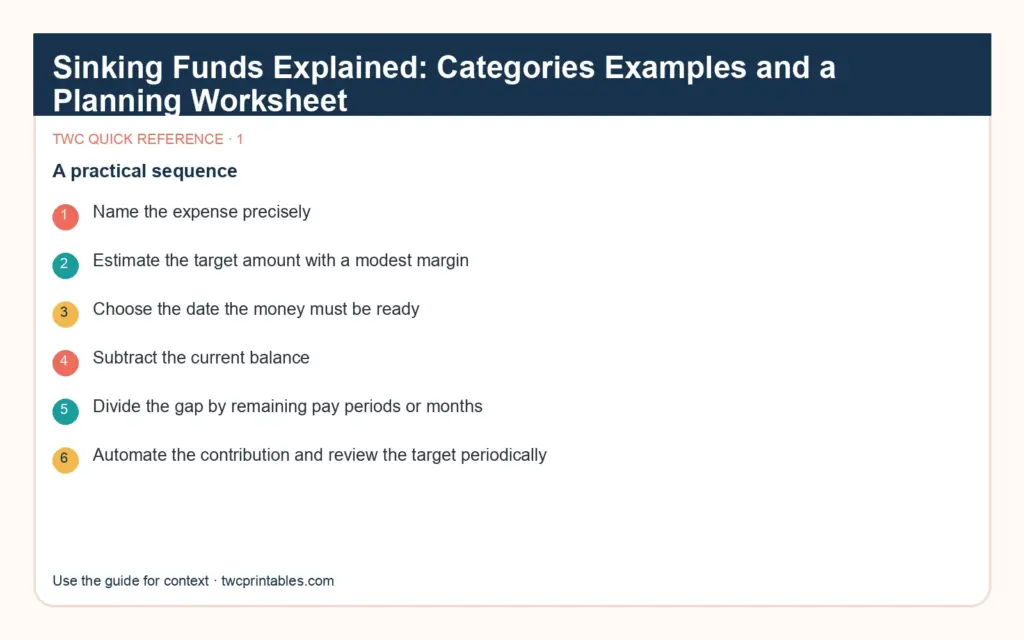
1. Name the expense precisely

Begin here before you add anything optional. A clear starting point saves a surprising amount of rework later.

2. Estimate the target amount with a modest margin

Keep this information together in one place. When the facts are easy to find, the next decision becomes much simpler.

3. Choose the date the money must be ready

Now shape the plan around what is actually available—your real time, tools, budget and capacity.

4. Subtract the current balance

This is where the plan becomes flexible. Leave enough breathing room for the ordinary changes real life brings.

5. Divide the gap by remaining pay periods or months

Do a practical check before moving on. Make sure the people, dates, quantities and access details still line up.

6. Automate the contribution and review the target periodically

Finish with a simple review rule: keep what helps, remove what does not, and update only the part that changed.

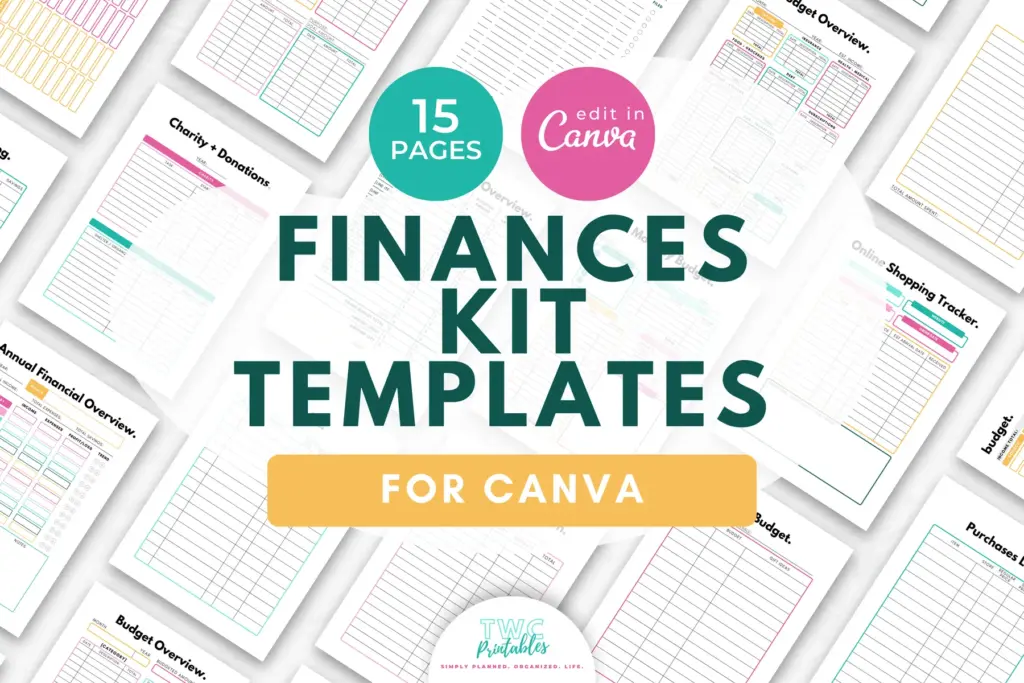
Real TWC template preview 1 relevant to sinking funds explained

A real-life example

Suppose a yearly renewal will cost 1,200 and is due in eight months, with 240 already saved. The remaining gap is 960, so the monthly contribution is 120. If the estimate rises to 1,320 after two months, update the calculation rather than letting the category become quietly underfunded.

Notice the pattern: the plan holds the useful details, but it still leaves room for a human day. That is the sweet spot.

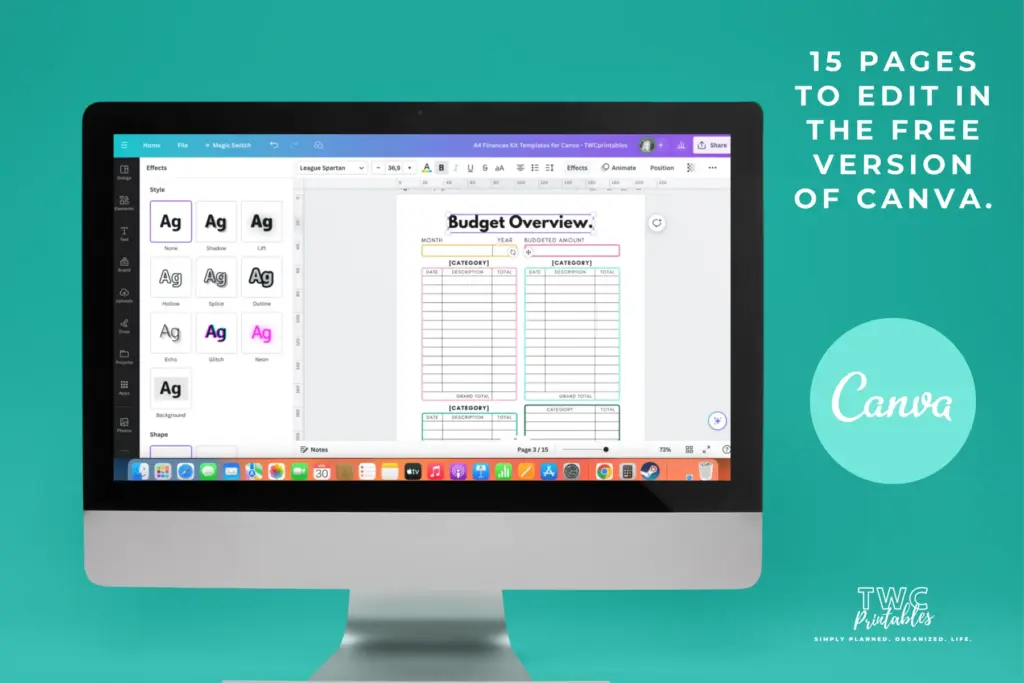
Real TWC template preview 2 relevant to sinking funds explained

Four easy traps to avoid

Calling every savings goal a sinking fund

Pause and return to the first decision. Clarity now is far more useful than extra detail built on the wrong assumption. Try this instead: Estimate the target amount with a modest margin.

Dividing by twelve when the deadline is closer

Bring this back to one trusted source of truth so you are not maintaining the same information in several places. Try this instead: Choose the date the money must be ready.

Mixing balances so they are easy to spend accidentally

Test the smallest workable version first. You can add more once the page has earned a place in the routine. Try this instead: Subtract the current balance.

Setting contributions once and never reviewing the estimate

Add a reset point. A useful system should help you continue after a change, not make you feel as though you have failed it. Try this instead: Divide the gap by remaining pay periods or months.

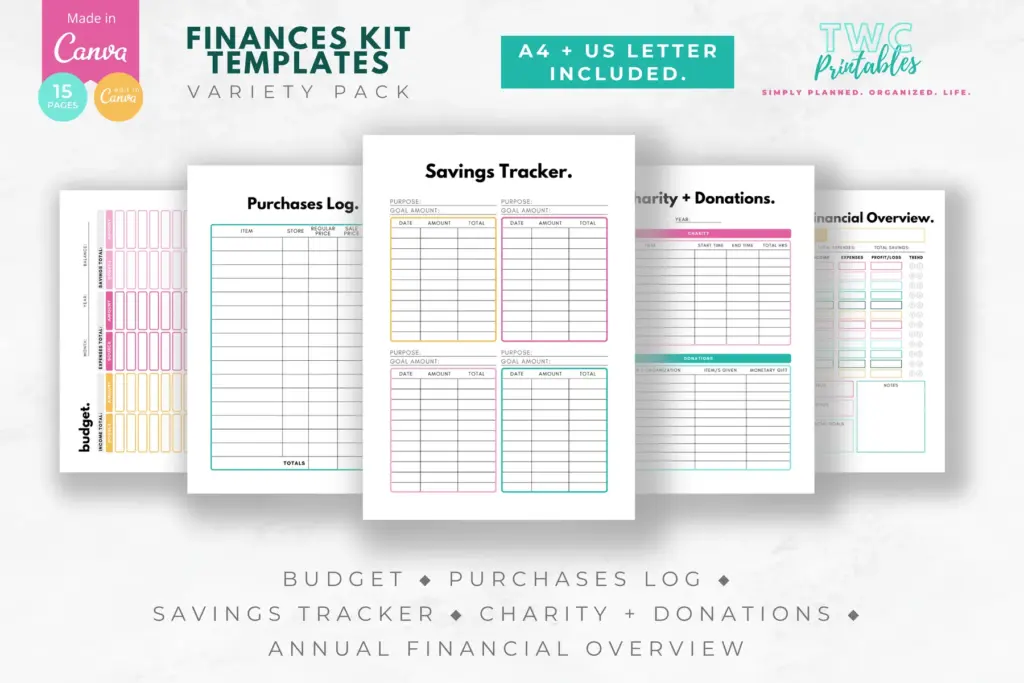
Real TWC template preview 3 relevant to sinking funds explained

Your ready-to-use checklist

Use this as a cheerful final check—not another list you have to manage perfectly. If the important details are covered, you are ready to begin.

  • Define the expense.
  • Estimate the total.
  • Set the due date.
  • Record current savings.
  • Count contribution periods.
  • Calculate the amount.
  • Choose a separate tracking line.
  • Review after price changes.
Original decision diagram 1 for sinking funds explained

Keep the key details close

Key facts

Best starting point
A sinking fund is money set aside gradually for a known future expense. Choose a target amount and date, subtract anything already saved, divide by the remaining contribution periods, and keep the balance separate from day-to-day spending.
Plan around
Predictability, Deadline, Priority, Storage and Adjustment
Recommended editable template
Finances Kit Templates for Canva Source

Frequently asked questions

Frequently asked questions

What is the best first step for sinking funds explained?

A sinking fund is money set aside gradually for a known future expense. Choose a target amount and date, subtract anything already saved, divide by the remaining contribution periods, and keep the balance separate from day-to-day spending.

What should I decide before I begin?

Start with predictability, deadline and priority. Those choices shape the pages, level of detail and routine that will actually be useful.

Can an editable Canva template make this easier?

Yes. An editable Canva template can remove the layout work and give every important detail a clear home. Start with the pages you will genuinely use, customize the colours, fonts and wording, and leave optional pages out until they prove helpful.

What is the simplest way to put this into practice?

Begin with name the expense precisely, estimate the target amount with a modest margin and choose the date the money must be ready. Use the smallest complete version for one real cycle, then keep what helps and simplify what does not.


Ready for a beautiful head start?

Turn the important numbers into a routine you can actually review with bright, editable finance-planning pages.

Sources and review note

The sources below were reviewed for this guide on 26 August 2026. Platform features, prices, policies and legal requirements can change, so confirm the current official terms whenever a decision has legal, financial, health or account consequences.

Sources

  1. Making a Budget — Consumer.gov (accessed )
  2. Your savings rule: save automatically — Consumer Financial Protection Bureau (accessed )
  3. Relevant TWCprintables template collection — TWCprintables (accessed )

Reviewed and updated by TWCprintables Editorial Team.